Did you know that there are multiple types of toners? Why do we even need toners anyway? Well, I picked up this great book called The Little Book of Skin Care by Charlotte Cho (of Soko Glam) that explained the reasoning behind toners just perfectly:
Think of toners as prep school for your pores: It gives them a head start for what comes next and will help your skin absorb your skin-care products. Picture your skin as a dried-up sponge. If you try to put a heavy cream on it, a brittle, dry sponge won’t accept it – it isn’t “prepped” for moisture. But if you wet the sponge, the cream will sink in more easily. (p. 42)
Looking at toners in this light, it’s quite obvious now that if you plan on upping your skincare routine, you should consider buying one (or multiple, like me – a hoarder).
Different Types of Toners
- Astringent Toners
- These are the toners that we westerners are most accustomed to using – we’ve known them to be rather drying or simply alcoholic in nature. But the truth is there’s a lot more to them than this. Some people need astringent toners more than others (esp. oily, acne-prone people), but they can be helpful to everybody. They’re meant to clean the remaining gunk and/or makeup you didn’t fully wash off with your cleanser and they penetrate much deeper into your pores.
- Common astringent ingredients found in toners include (but are not limited to):
- Alcohol
- Witch Hazel
- AHAs (Alpha Hydroxy Acid)*
- Citric Acid
- Glycolic acid
- Lactic Acid
- Malic Acid
- Mandelic Acid
- Tartaric Acid
- BHAs (Beta Hydroxy Acid)*
- Benzoic Acid
- Salicylic Acid
- Rose (Water/Extract)
- Citrus (Extract)
- Astringent toners pictured above: Mamonde - Rose Water Toner (contains rose extract – a very mild astringent) and Missha - Time Revolution Clear Toner (contains a very small percentage of both BHAs and AHAs, making it a very mild formulation as well).
- Boosting Toners
- These toners are very interesting. Some may not even classify them as “toners” in themselves, but I most certainly do (because they can be used in place of a toner in your skincare routine), so under this category I also include “boosting toners” that are referred to as:
- First Essence [Treatment]
- First Essence Booster
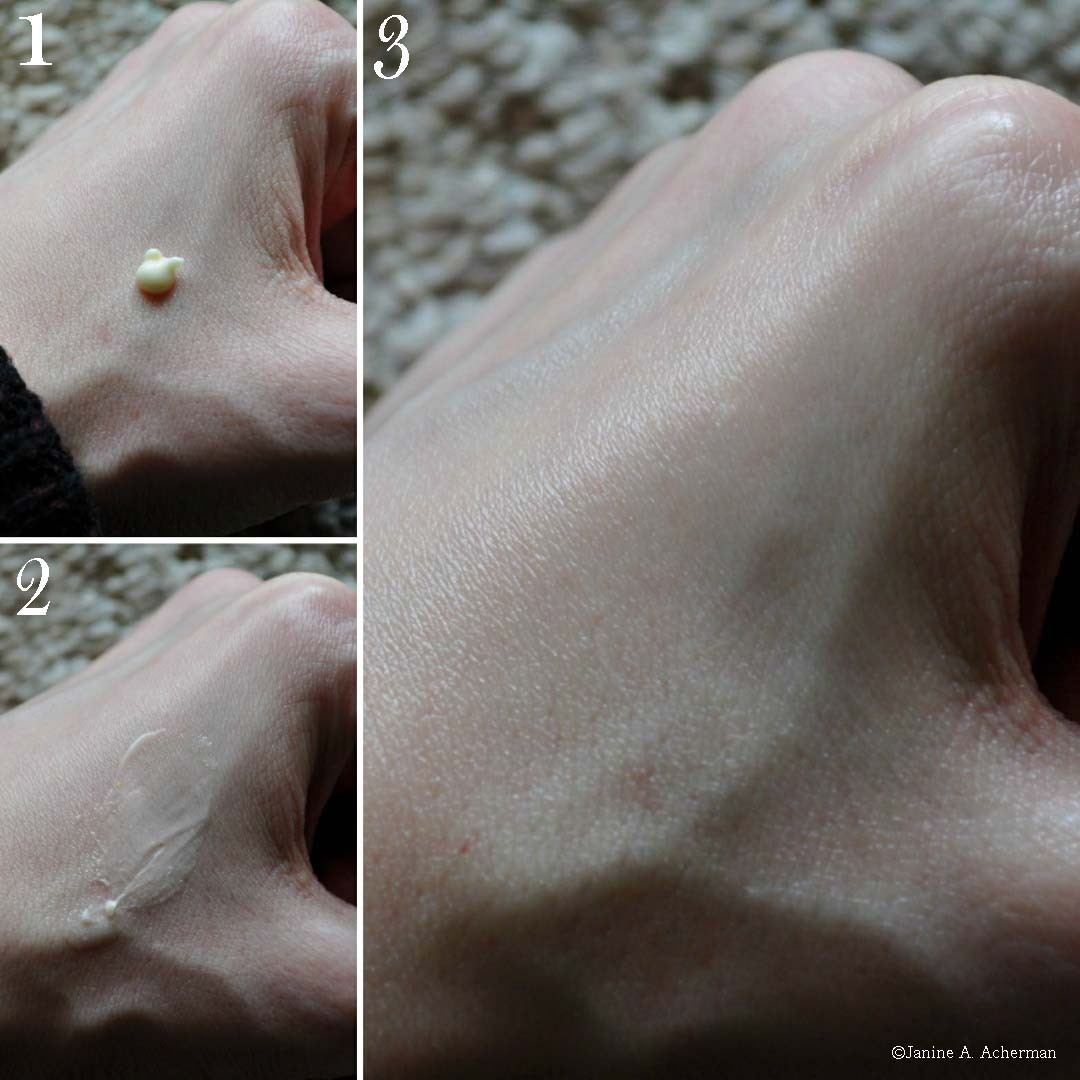
- Generally speaking, you would want to use a boosting toner before another toner (but never before an astringent one) because, as the name implies, it “boosts” whatever product that follows it. They can be used with or without an accompanying toner. Boosting toners tend to be thicker and less watery than other types. They generally contain a handful of extracts. These toners are also generally geared more toward those with dry skin types, but I find that they can be beneficial to all skin types.
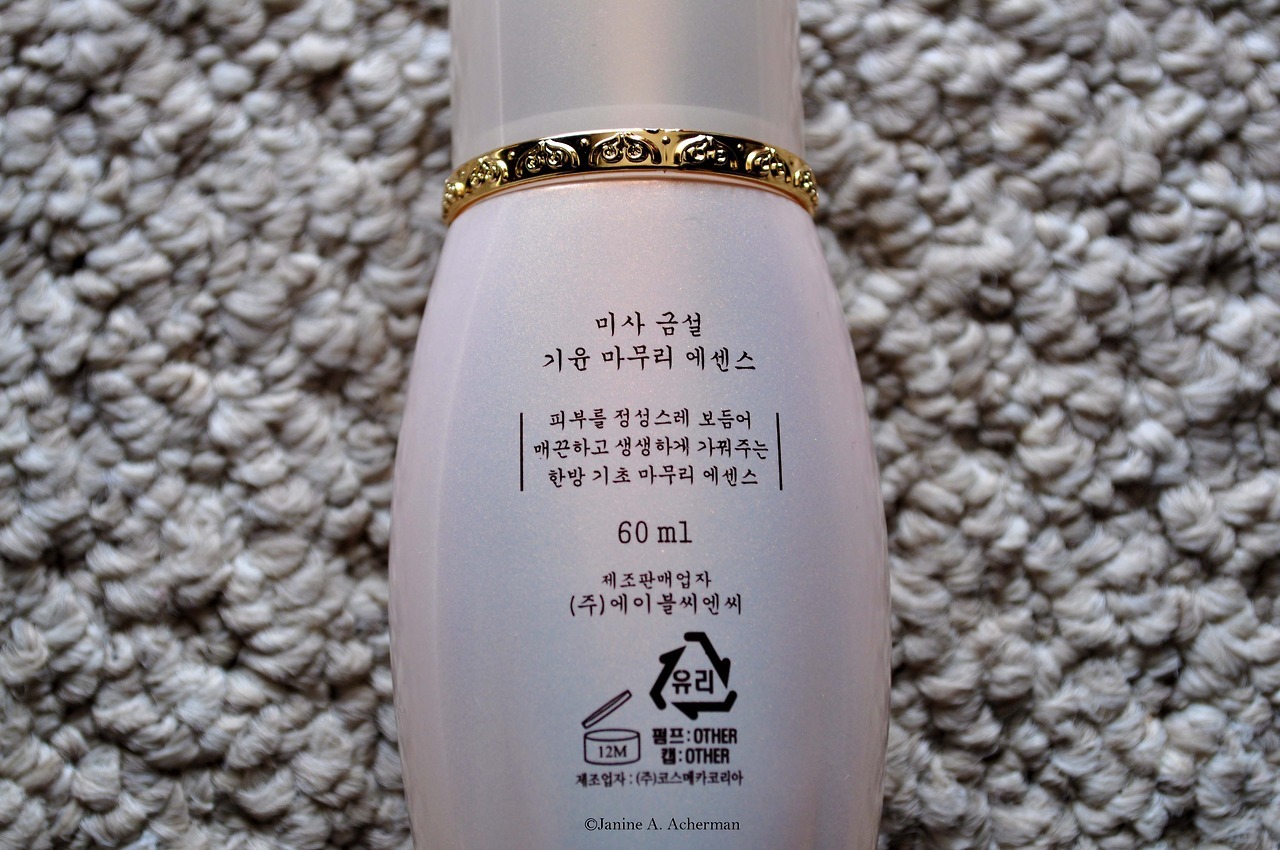
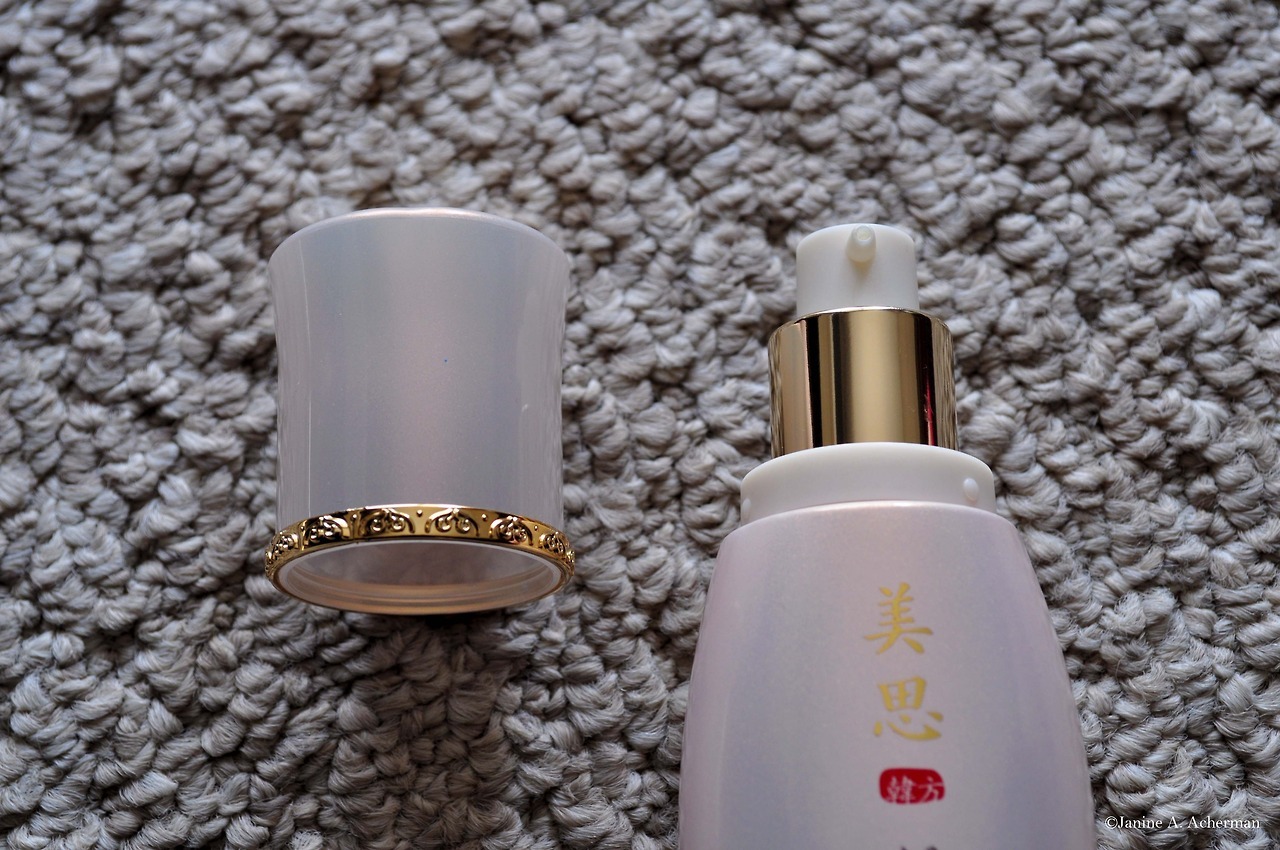
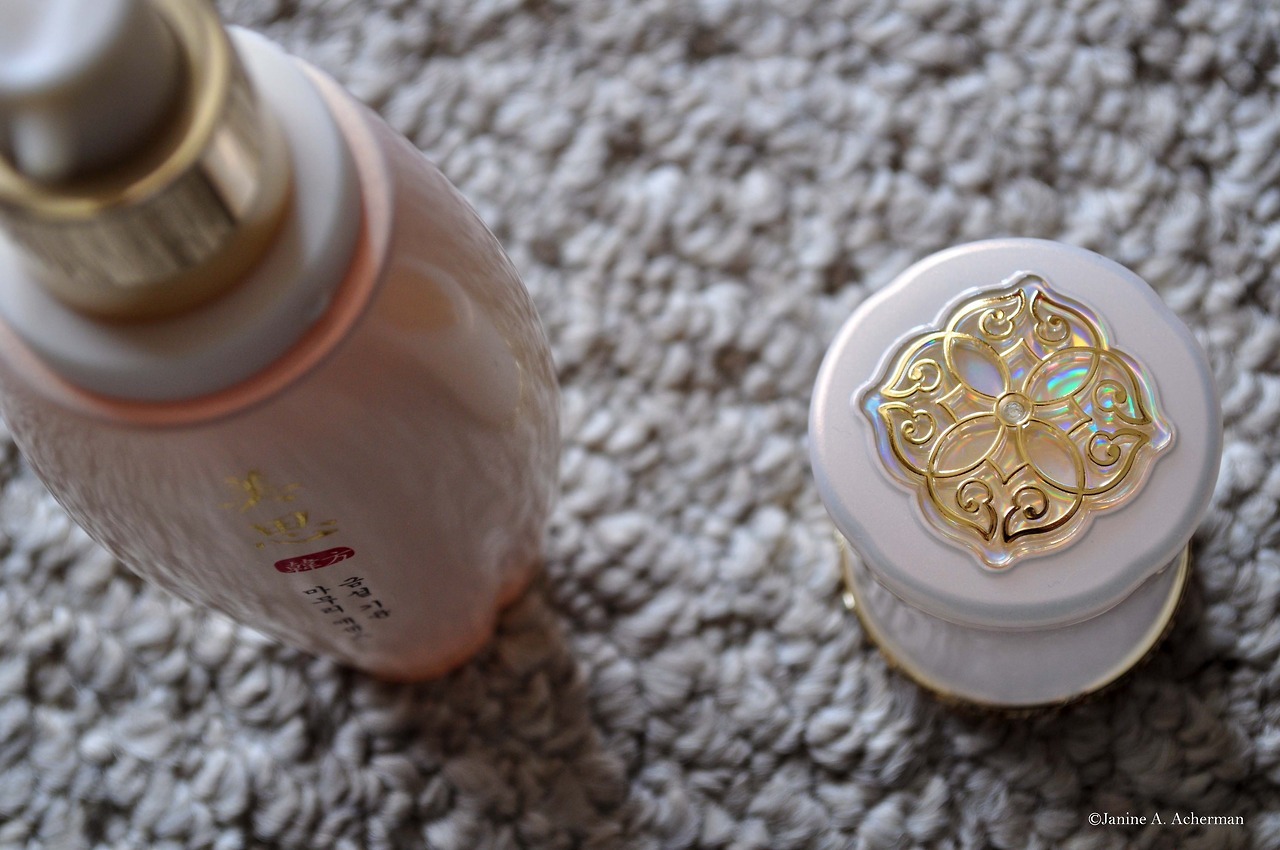
- Boosting toners pictured above: Missha - Geum Sul First Essence Booster and Missha - Time Revolution Night Repair Turn Over Control Booster.
- Hydrating Toners
- While westerners focus on astringent toners, easterners focus on the opposite: hydrating toners. Had I known these existed in my teenage years, I would have been all over them because of how amazing they are. As the name implies, these toners are “hydrating,” meaning they add to the water content of your skin. Hydrating toners are beneficial to all skin types.
- Before I was even aware of it, I always thought “hydration” and “moisturization” meant the same thing. Wrong. Hydration involves adding water content to your skin, while moisturization involves adding oil content to your skin. “Ideal skin” (meaning not overly dry nor oily) has a balanced water-oil ratio. We spend so much time worrying about lotions and creams (which add oil content) that we forget about hydration! This is where these beautiful hydrating toners come in.
- Common hydrating ingredients found in toners include (but are not limited to):
- Ceramides
- Ferments
- Glycerin
- Propanediol
- Hydrating toners pictured above: Hada Labo - Gokujyun Lotion (Clear) and Missha - Super Aqua Ultra Waterful Active Toner.
- Mist Toners
- Mist toners fall under astringent, boosting, or hydrating types of toners, but more often than not, you will find that they are usually geared toward light hydration. They’re perfect for all skin types.
- Fun tip 1: They can be used between different layers of products in your routine if you hate that sticky feeling that essences, serums, etc. can leave behind.
- Fun tip 2: They can be used even after you put on makeup if you feel like your skin needs just a little more hydration without ruining it.
- Fun tip 3: Use a mist toner to set your makeup!
- Fun tip 4: Spray your mist toner onto a beauty cushion or sponge before application for a more even and well-adhered look.
- Mist toners pictured above: The Creme Shop - Chia Seed Calming Spritz Toner, TheFaceShop - Chia Seed Soothing Mist Toner, and Innisfree - Aloe Revital Skin Mist.
I realize after writing all of this, someone new to skincare could easily be overwhelmed. If you are looking to start off easy, I would suggest starting with a hydrating toner!
* Read more about the differences between AHAs and BHAs here.
* Always use a sunscreen if you incorporate AHAs and/or BHAs into your routine.
* Always use a sunscreen if you incorporate AHAs and/or BHAs into your routine.