Showing posts with label japanese. Show all posts

Saturday, August 5, 2017

Review: Kikumasamune - High Moist Lotion

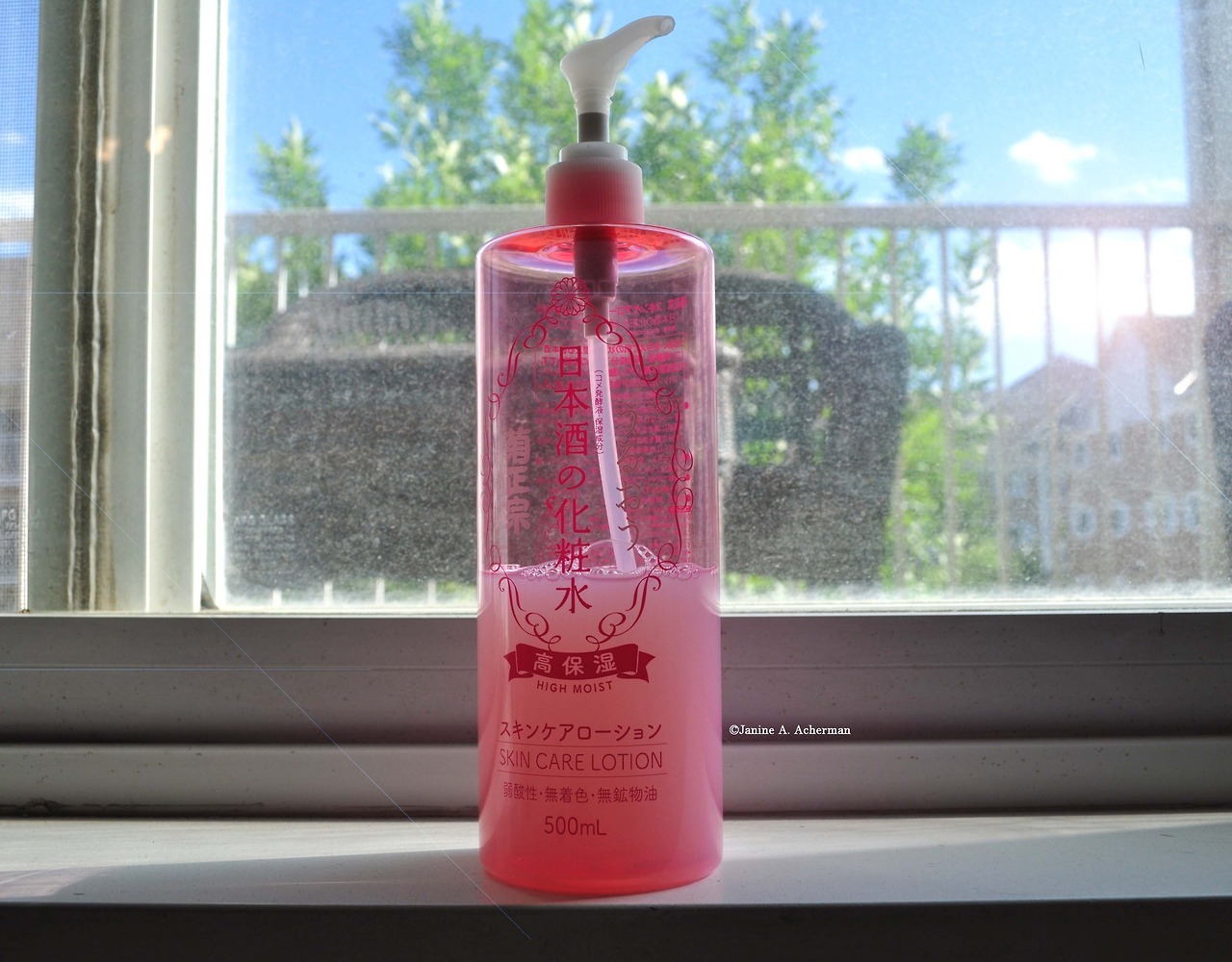
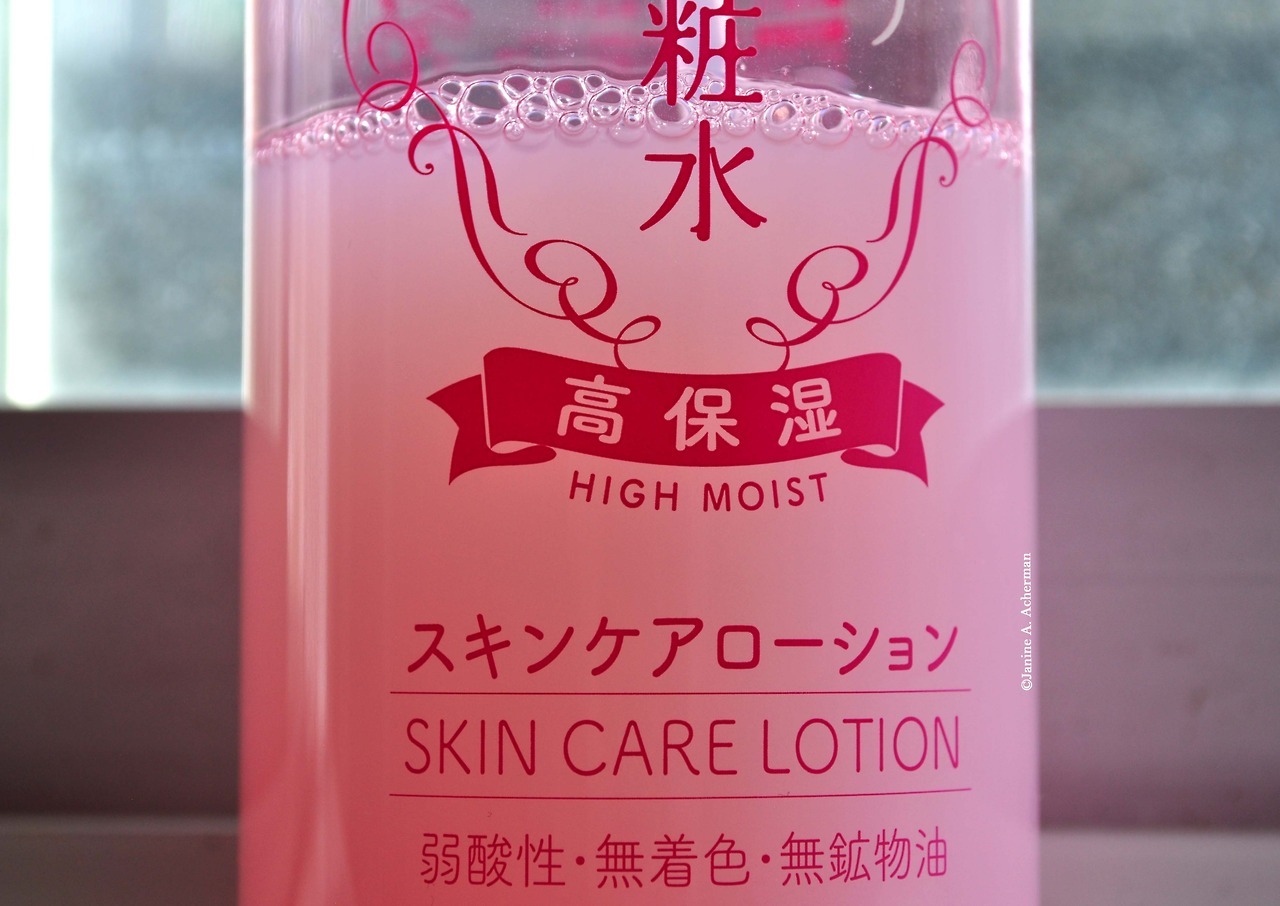
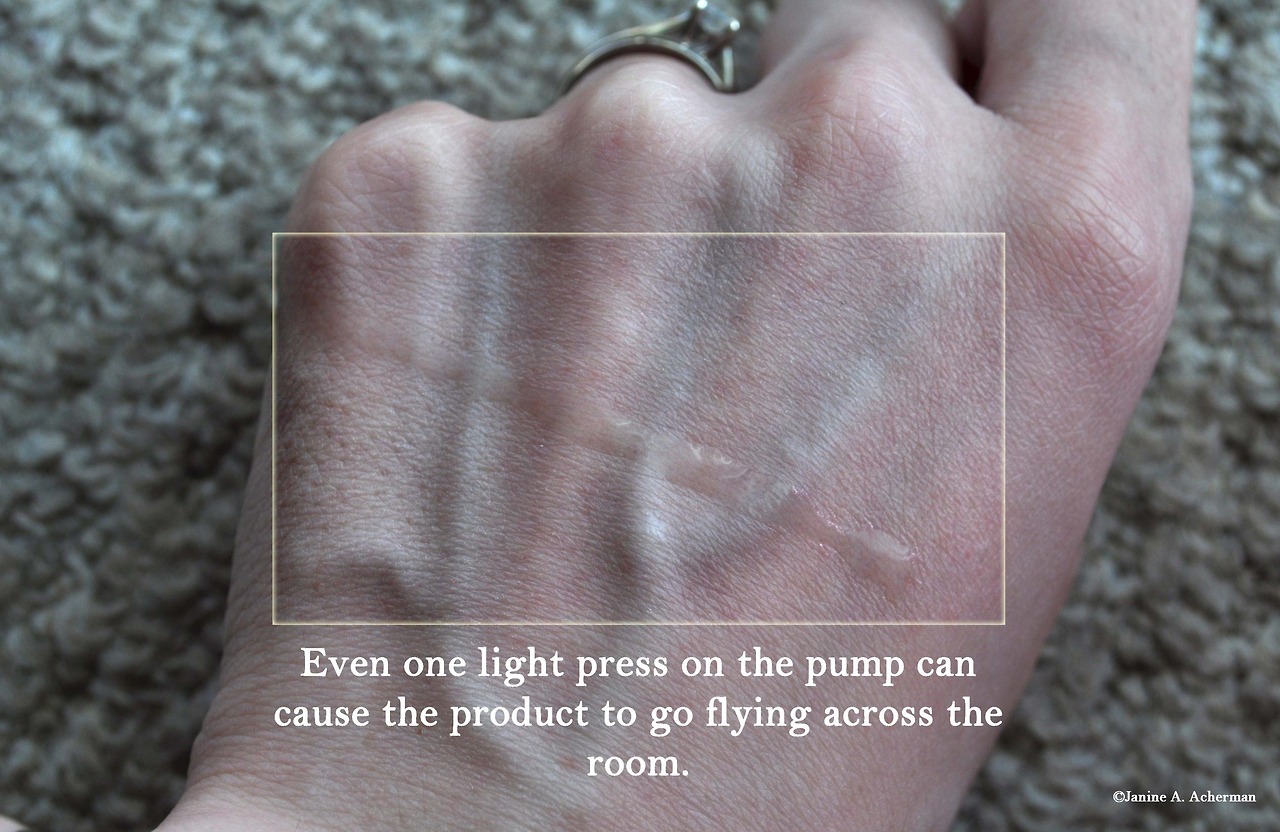
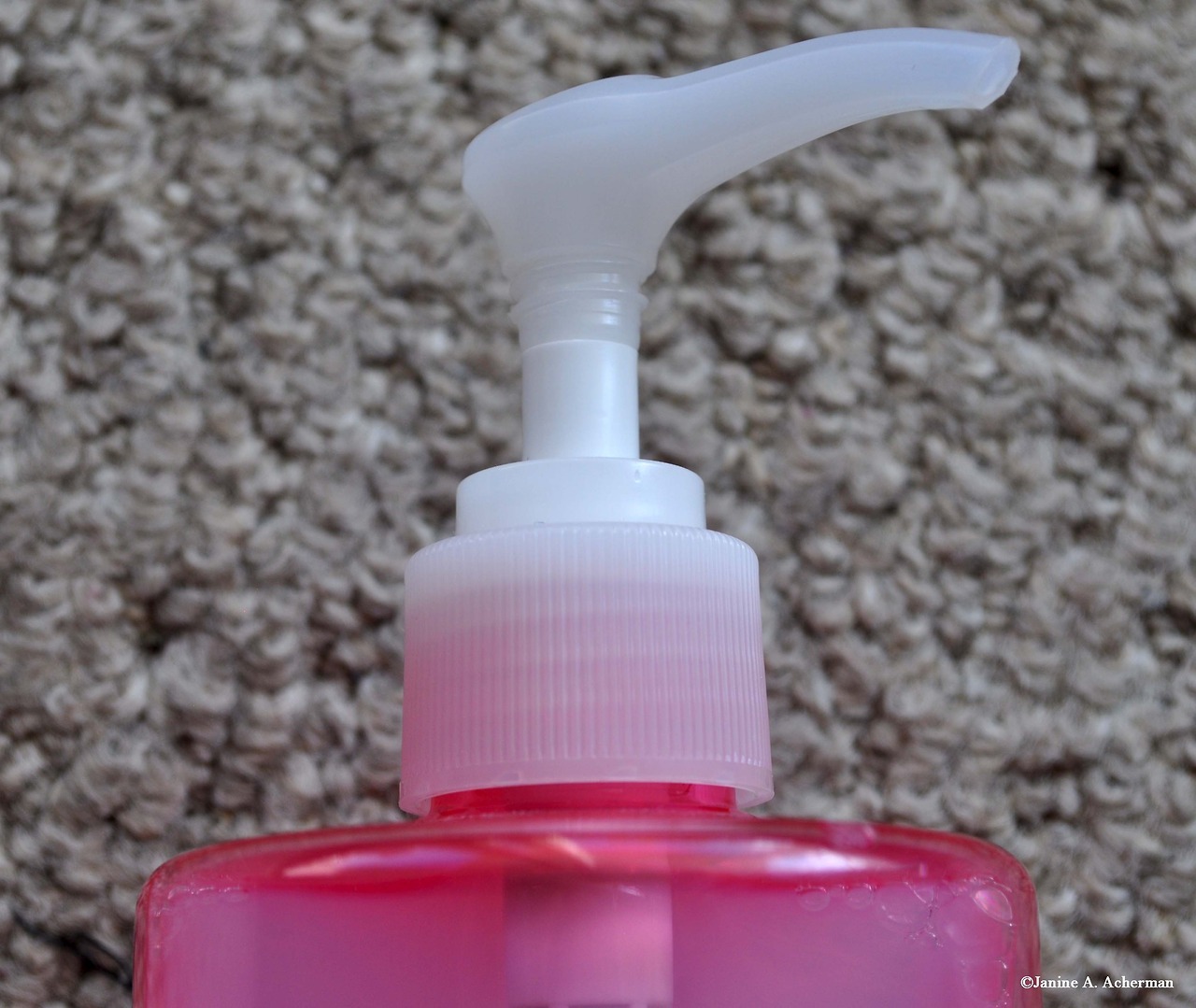
Packaging: The product comes in a large pink bottle (500ml) with a pump. This pump is notorious for its ability to shoot the product across the goddamned room. SO. I find it easiest to cup my hand and pump the product directly into it, but others have gone so far as to use different bottles altogether (but I like to live on the wild side, so it is still in its original bottle for me).
Price: I personally bought this in Canada for a hefty price of $30 CAD, but looking online on Amazon, it goes for $15 USD which is a great deal considering how much product you get out of it and how long it lasts (I have had mine for about five months now and as you can see from the photos above, it is nowhere near being finished).
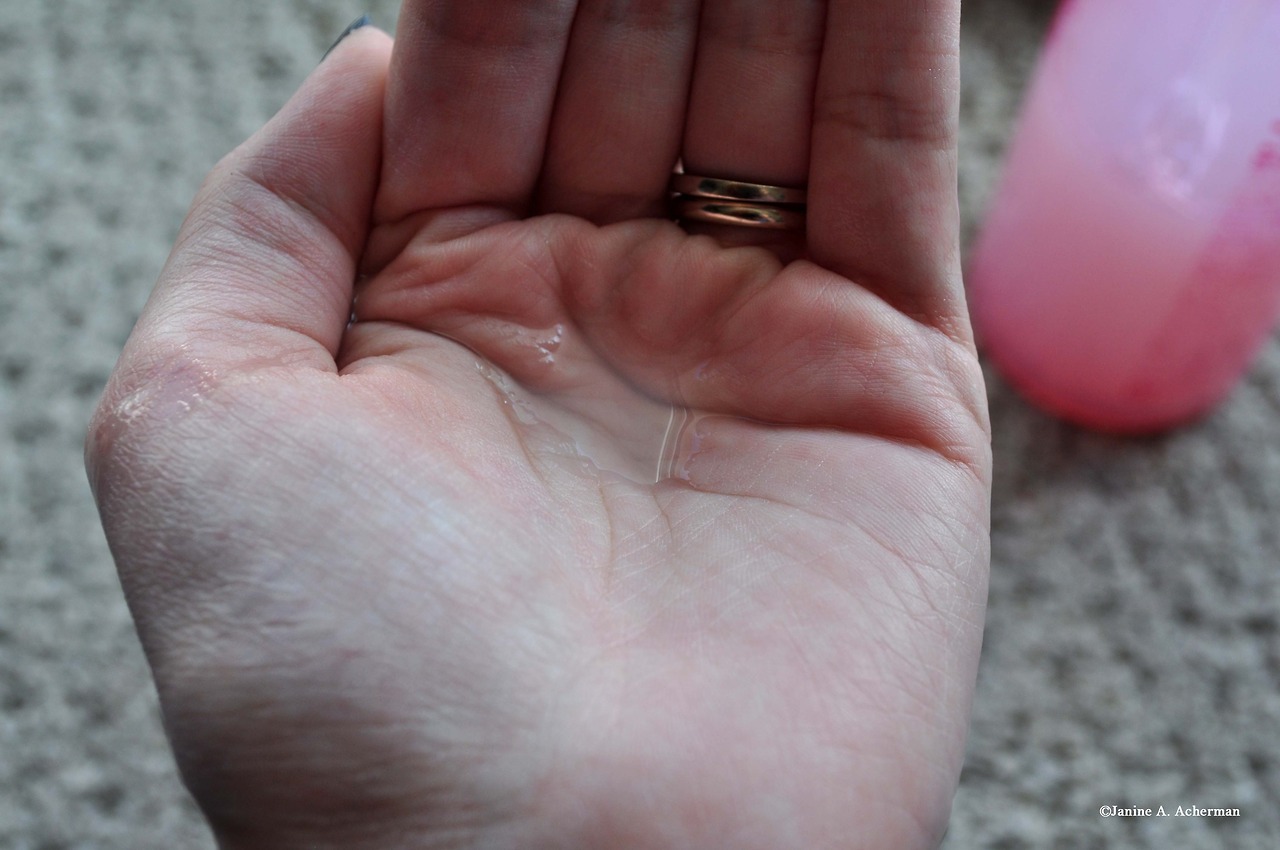
Consistency: It is slightly more viscous than water, but is still very watery in general. When applied, it feels immediately hydrating upon the skin and is only slightly tacky. This product is perfect for when you want multiple light layers of hydration as it plays nicely with everything you put on top of it. (And remember, since this is a Japanese product, the word “lotion” actually means “toner” in this context, so be sure to use it before any serums, ampoules, etc.)
Scent: If you have ever gotten drunk off of sake, then this may be exactly what you smell when you put it on. Some people cannot stand this scent because it can be strange applying something that once made you sick when ingested (ha), but for those of us who have not had such an experience, the scent seems to vary between bubble gum to bananas (or in my case, a little of both). At any rate, you can expect the scent to be very different than your average toner. I happen to love it, but my husband says it smells like farty putty to him, so every opportunity I get, I chase him down with it all over my hands. :)
Ingredients: When this product first blew up all over the internet, people were in love. It is easily one of the best hydrating toners I have ever used; it is damn effective and amazingly priced. But once people started looking into its ingredients, it became highly controversial. But why? Take a look at the ingredient list:
Water, glycerin, butylene glycol, rice ferment filtrate (sake), glutamate, arginine, leucine, ceramide 3ceramide 6 IIplacenta extractarbutinglycyrrhizic acid, soy protein, maltitol, methyl gluceth-10, peg-60 hydrogenated castor oil, hydroxyethyl cellulose, alkyl styrene/acrylic acid copolymer, citric acid, sodium citrate, phenoxyethanol, methylparaben, fragrance 
If the bolded words were obvious enough, you should have come across the ingredient listed as “placenta extract.” Not only did this irk the vegans of the skincare world, but it also bothered everybody else, as you can probably imagine. Placenta? How in the hell was that sourced? Was it cruelty-free? Is it really even necessary? I bought this product before being aware of this ingredient because my eyes zoned in on the ceramides so high up on the list… and my point is, I am guilty for not taking a closer look at the ingredient list.
After doing some research, it turns out that the placenta extract is, in fact, a matter of ethical debate because it is derived from horses. In Japan, horse racing is big, hence the reason they have a high market for horse breeding which even cosmetic industries such as Kikumasamune partake in. One of the companies that sources the placenta extract adds that the expected functions of horse placenta may be one or more of the following:
- Internal use: strength liver & body, anti-fatigue, adjusting autonomic nerves, adjusting endocrine, and immunopotentiative action.
- External use: whitening effect, activating skin metabolism and etc. 
A redditor that took part in the discussion of Kikumasamune’s placenta ingredient was able to shed more light on the situation by mentioning:
Regardless, the thing is: we eat horse meat here. It’s not a staple meat, but you can find raw horse meat sushi in some restaurants and other horse meat products as delicacies. It sounds weird, but many Japanese feel the same about Americans eating deer, elk, bison, even goat and lamb meat. So these products could be byproducts of the horse meat industry, and the animals aren’t being slaughtered solely for the sake of their placentas! 
(Full reddit post here, for those of you who are interested.)
Despite its controversial nature, I do wish to include the other beneficial ingredients of this product because had that one ingredient not been involved, I would easily call this a holy grail product due to how effective it is. I mentioned earlier that the product was the most hydrating toner I had ever used, but it also noticeably brightens the skin and fades any post-acne scars. Rice ferment filtrate (sake) contains kojic acid which is responsible for skin-lightening and is also a great source of antioxidants. Arbutin and glycyrrhizic acid (a derivative of licorice root) are another set of powerful skin-lightening agents. Arginine has healing and anti-aging effects, and the ceramides are responsible for repairing the moisture barrier and enhancing the overall health of your skin. 
In my opinion, if you find a product with ceramides, especially if they are higher up on the ingredient list, it is definitely worth trying. When I get out of the shower, at times the skin on my face begins to flake because I basically boiled myself in there (I love hot showers, okay?), and once I use this product, all of the flakes seem to disappear and my skin no longer feels tight. That is the power of ceramides.
Overall Review: Sooo… truthfully speaking, I do intend to finish the product I bought, but still feel somewhat uncomfortable with the placenta ingredient. I looked for similar products (but without the horse placenta extract, obviously) and was able to find an almost-dupe that looks as though it should perform just as well as the Kikumasamune one: Cezanne - Ceramide Skin Conditioner High Moist (ingredient analysis here). However, I must say that Kikumasamune’s High Moist Lotion is a great product in itself. It lightens post-acne scars, deeply moisturizes and hydrates the skin, and in as little as a week, the quality of my skin never looked better. Ignoring the placenta ingredient, this is, without a doubt, a 5/5.

Thursday, May 11, 2017

Different Types of Acne

In my journey to perfectly clear skin, I’ve come to learn the nature of my skin and the various “types” of breakouts that I get depending on the cause. How can that be, you ask? Well, let’s just say I’ve meticulously researched this matter and have noted every time I’ve had a breakout. After a lot of time and close observation, you will start to recognize patterns, as I will explain in the following paragraphs.

1. Hormonal Acne


Photo above taken: May 11, 2017
In this photo, you can see a few pimples – the most prominent being the one on the right side. It is called hormonal or “cystic” acne that forms much deeper beneath the skin and takes a longer time to form than just your average pimple. They’re usually very red, painful, and swollen. If you’re lucky (which I never am), they may go away on their own; they’re healed from inside your body rather than the outside and they never form a [white]head. If they do fully form, they generally always leave behind nasty red marks that take a long time to fade. In some cases, they may even scar.
We know that the photo above portrays hormonal acne as it tends to form on the lower quadrant of the face and, again, is deep beneath the skin. Because of the depth of the infection, I can speculate that this wasn’t due to some product I put on my face, but rather, it is due to an imbalance of hormones within. To top things off, this also formed nearing the end of my monthly cycle, which is precisely when any woman’s hormonal levels would normally fluctuate. So each month, I generally see cystic acne such as this when my period is about to come, which is how I came to the conclusion that they must be due to hormones. However, I’m a lot less likely to have a breakout like this when I’m sleeping enough and not as stressed out during the days leading up to this time of hormonal fluctuation. 
* * *
Did You Know: Both a lack of sleep and increased stress levels produce a greater amount of the hormone in your body called “cortisol.” When your body is flooded with cortisol, you may notice more breakouts because cortisol is responsible for lowering levels of estrogen and other hormones predominantly found in females. These hormones are critical for counteracting the predominantly male hormone, testosterone. High levels of testosterone* lead to: increased (dark) facial hair and – you guessed it – acne. This is because testosterone is responsible for your sebum (oil) production, and more oil on your face means more of a chance for your pores to become clogged and become infected. This is when acne occurs, and depending on the conditions, it may form into what we call blackheads, whiteheads, or hormonal/cystic acne.
Blackheads (not pictured in any of my photos) are infections in the pores of your skin that appear black. It’s a common misconception that the black appearance is dirt, but it’s actually a buildup of dead skin cells and sebum that oxidized as they were exposed to the air. So blackheads are open-pored infections. Whiteheads are infections in the pores of your skin that appear to have a white top (as shown in all of my photos). These are closed-pore infections. Hormonal/cystic acne, previously mentioned, are infections that occur deep within the skin which may or may not lead to a large whitehead.

2. Food-Triggered Acne


Photo above taken: April 17, 2017
Not all people who have acne may experience this, but many testimonials suggest that food and acne are, in fact, connected. Acne that is triggered by certain food can occur immediately (within the same day of consumption) or over the course of a few days (although most typically the day after consumption). Some of the most common food triggers include sugary food like chocolate, dairy products like milk, or oily/deep-fried food like french fries. There are also food triggers caused by grains that come from oats or wheat and also by nuts.
The photo above was taken several hours after eating deep-fried chicken. I know this because it happens every single time I eat something that has been deep-fried and oily. I began taking photos and making a mental note of everything that leads to this. For me, personally, food-triggered acne always causes a spree of tiny whiteheads. If I’ve had a lot of the offending food, it may occur all over my face, but if it was minimal, then it’s usually confined to my chin and upper lip. Thankfully, these pimples tend to heal much quicker than my hormonal/cystic acne (unless, of course, I’ve been unkind to my skin by aggressively popping and squeezing pimples… heh). If you ever find yourself in this situation, I highly recommend using AHAs and BHAs – chemical exfoliators. They will unclog your pores and clean out the gunk that has built up. As mentioned in a previous post, always wear sunscreen if you incorporate these actives into your routine! 

3. A Little of BOTH: Hormonal & Food-Triggered Acne


Photo above taken: May 5, 2017
This unfortunate photo above shows what a particularly crappy situation you can find yourself in if you eat food that triggers acne and you’re hormonal. However, if you look at my first photo again, which is my most recent one, you’ll see how amazingly my current products have healed and faded this mess! I guess one (and perhaps the only) upside to having crappy skin is that I can buy and try out more products! I’m always on the lookout for better products.
My current skincare routine looks like this:
  1. Oil Cleanser: TheFaceShop - Deep Firming Cleansing Oil*
  2. Cleanser: Cosrx - Low pH Good Morning Gel Cleanser
  3. Astringent Toner: Missha - Time Revolution Clear Toner
  4. Hydrating Toner: Kikumasamune - High Moist Lotion*
  5. First Essence: Missha - Geum Sul First Essence Booster
  6. Serum/Ampoule: Missha - Time Revolution Night Repair Science Activator Borabit Ampoule
  7. Lotion: TheFaceShop - Chia Seed Moisturizing Cream

4. Misc. Acne (Not Pictured): Fungal, Irritation, Etc.

Fungal acne usually appears as tiny whiteheads in small clusters – not far in appearance than my acne pictured above – that are actually more yellow in color than white. Our skin composition is composed of fungi (typically yeast) and bacteria (could be good or bad). When we don’t have enough of the good bacteria living on our skin to eat the yeast, then it results in this fungal acne due to an overgrowth in yeast. I personally don’t have any real experience with this type of acne, but I have heard some testimonials in which people developed fungal acne due to products containing fermented ingredients.
Irritation and/or allergic reactions typically cause red bumps on the surface of your skin with no head. They may feel warm to the touch but more often than not, these bumps are itchy. When this happens, you can be assured that you put something on your skin that it didn’t like. This could be because you’re allergic to some ingredient. But this also happens to skin that has been stripped from overdrying products, usually due to alcohol being present in high amounts.
Side Note: There are many more skin conditions, such as rosacea, but the conditions described above are the ones I’m most familiar with!
* Read more about other leading causes of high testosterone in women here.
* In Japan, a “toner” is sometimes referred to as a “lotion” or simply “skin.”
* I only use an oil cleanser in the PM, on a day I wore makeup. Read about double cleansing here.